The Cold Chain in Food Shipping, and Where Ice Packs Fit
The cold chain is the system of transport and storage that keeps temperature-sensitive food inside a defined range from production all the way to the customer. For meat, fish, dairy and fresh produce, holding that range is what keeps the product safe and saleable.
Break the chain at any point — a warm loading bay, a delayed delivery, a long last mile — and the damage is done even if the temperature comes back afterwards.
What an ice pack adds
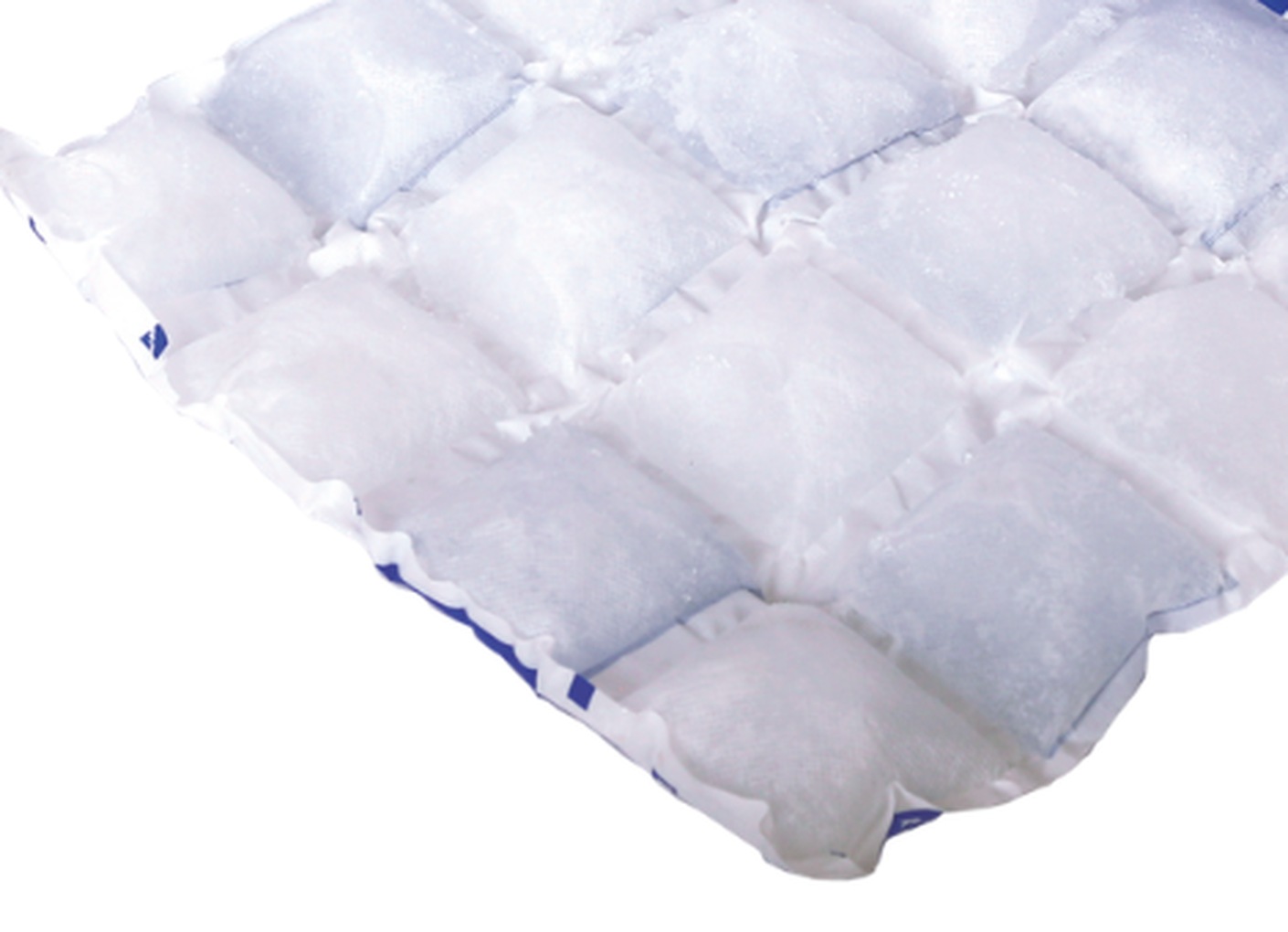
Flexible ice pack sheets hold a steady low temperature for a long period and sit directly against the product, which is where the cooling is actually needed. They carry roughly 25% more cooling energy than the same volume of ice, and unlike ice they do not melt into the pack.
They freeze quickly — about five hours at 0 °F (−18 °C) — and can be frozen down to −112 °F (−80 °C) where a shipment needs it. They stay flexible when frozen, so they follow the shape of the load instead of forcing the pack around them.
Reusable, and cheaper over time
Because the sheets are reusable, the cost per shipment falls sharply compared with single-use coolant, and there is far less packaging waste leaving the site. For operations shipping the same routes repeatedly, that difference compounds quickly.
Getting the specification right
The variables are transit time, ambient temperature and the mass being cooled. Too little coolant and the load drifts out of range before it arrives; too much and you are paying to ship weight that does no work.
Axorbia Ice Pack is supplied on the roll or individually cut, in several standard sizes and in made-to-order formats. Details are on the Ice Pack page.
Related Posts
The Advantages of Using Absorbent Pads in Meat Packaging