The Advantages of Using Absorbent Pads in Meat Packaging
Meat releases a certain amount of liquid through packing simply because of how it is structured. When that liquid gathers in the pack it affects how the product looks and creates a hygiene risk, which is why absorbent pads are standard in modern meat packaging lines.
How a pad keeps meat fresher
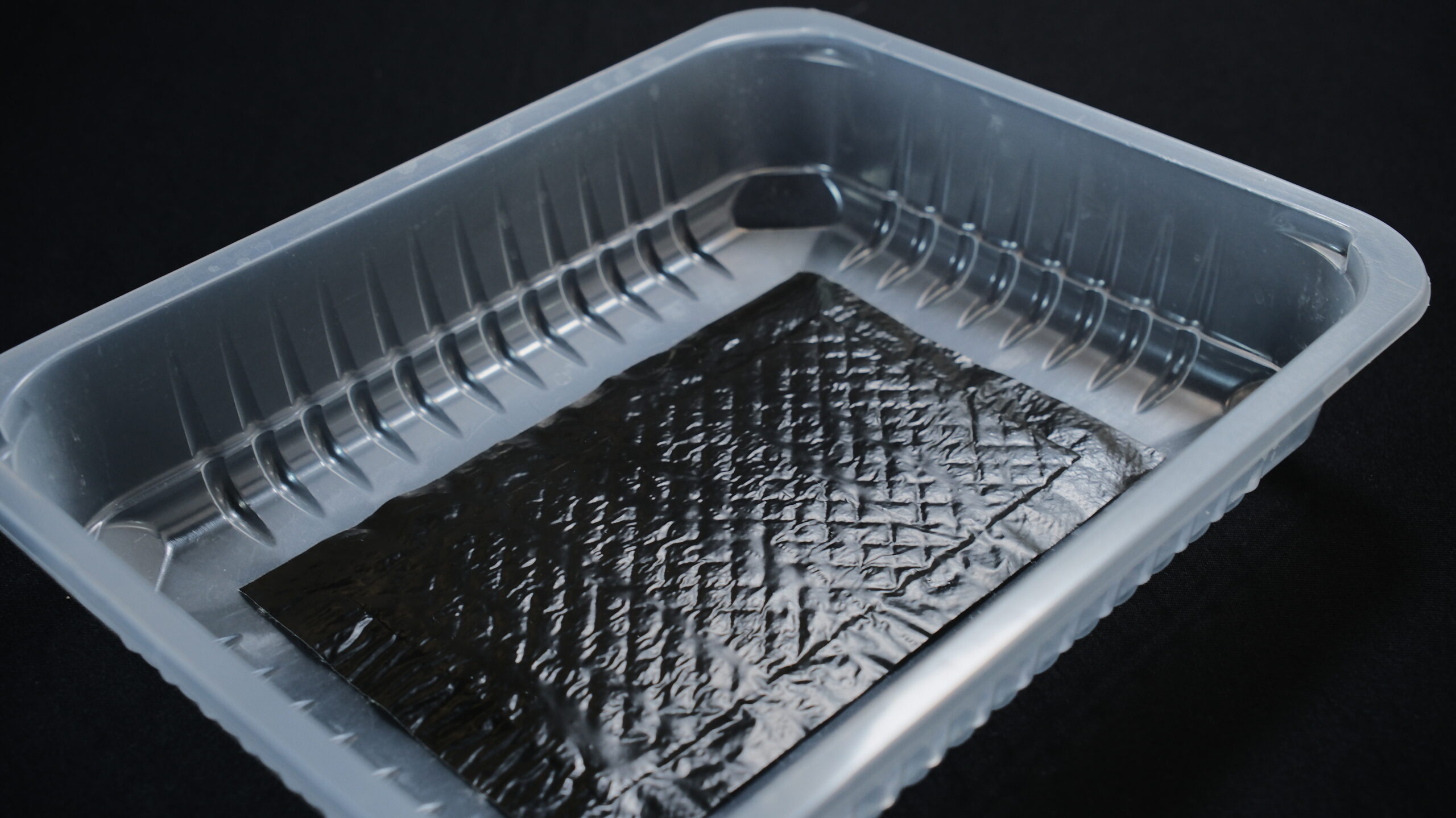
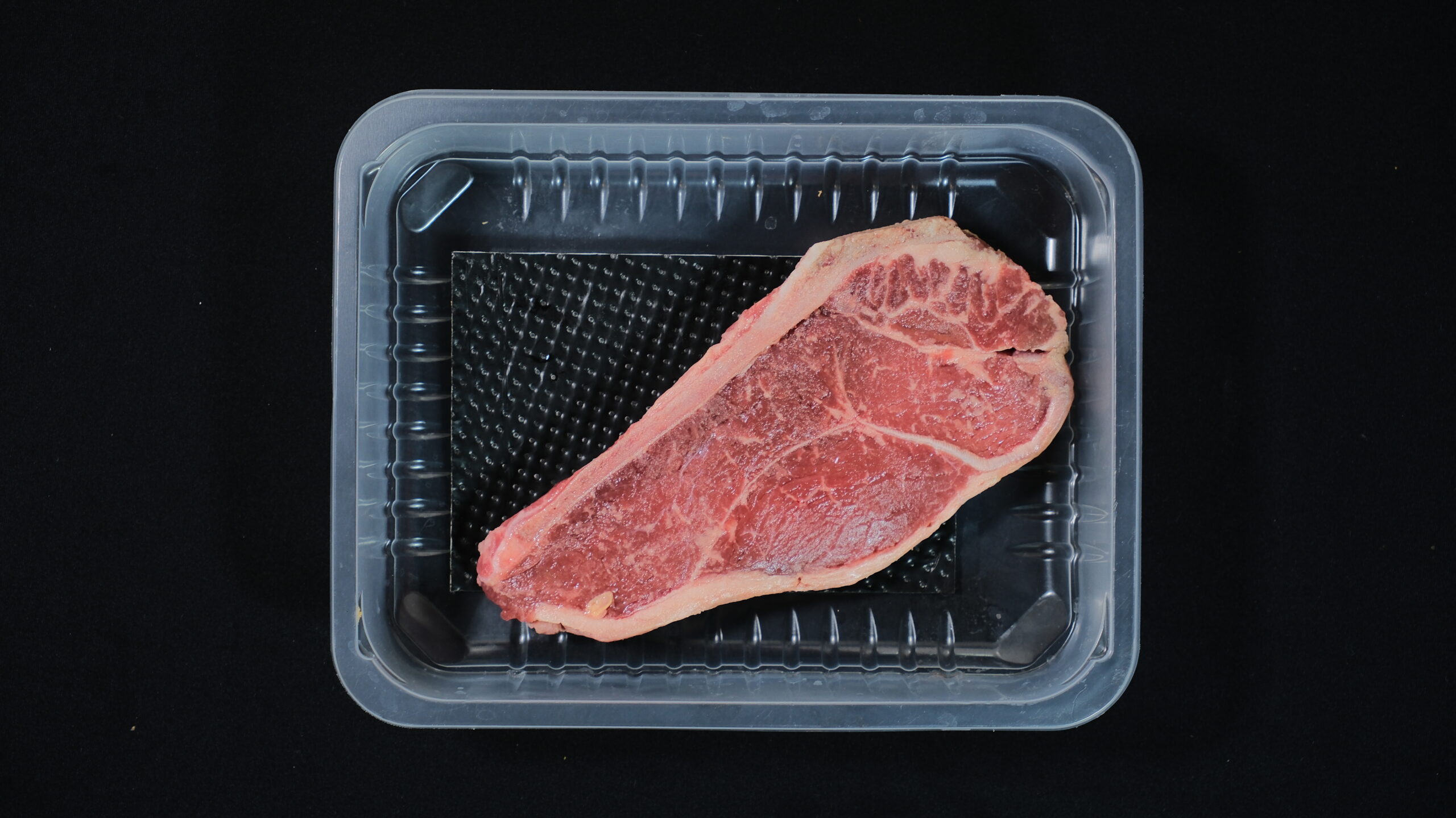
Pooled purge raises the risk of bacterial growth. An absorbent pad takes that liquid away from the surface of the cut and traps it in the core, so the meat can be held longer in a cleaner state.
It also keeps the pack tidy. On a retail shelf, a cut sitting on a dry pad reads as fresher and better handled than the same cut sitting in its own liquid — and shoppers make that judgement in a couple of seconds.
The technology behind it
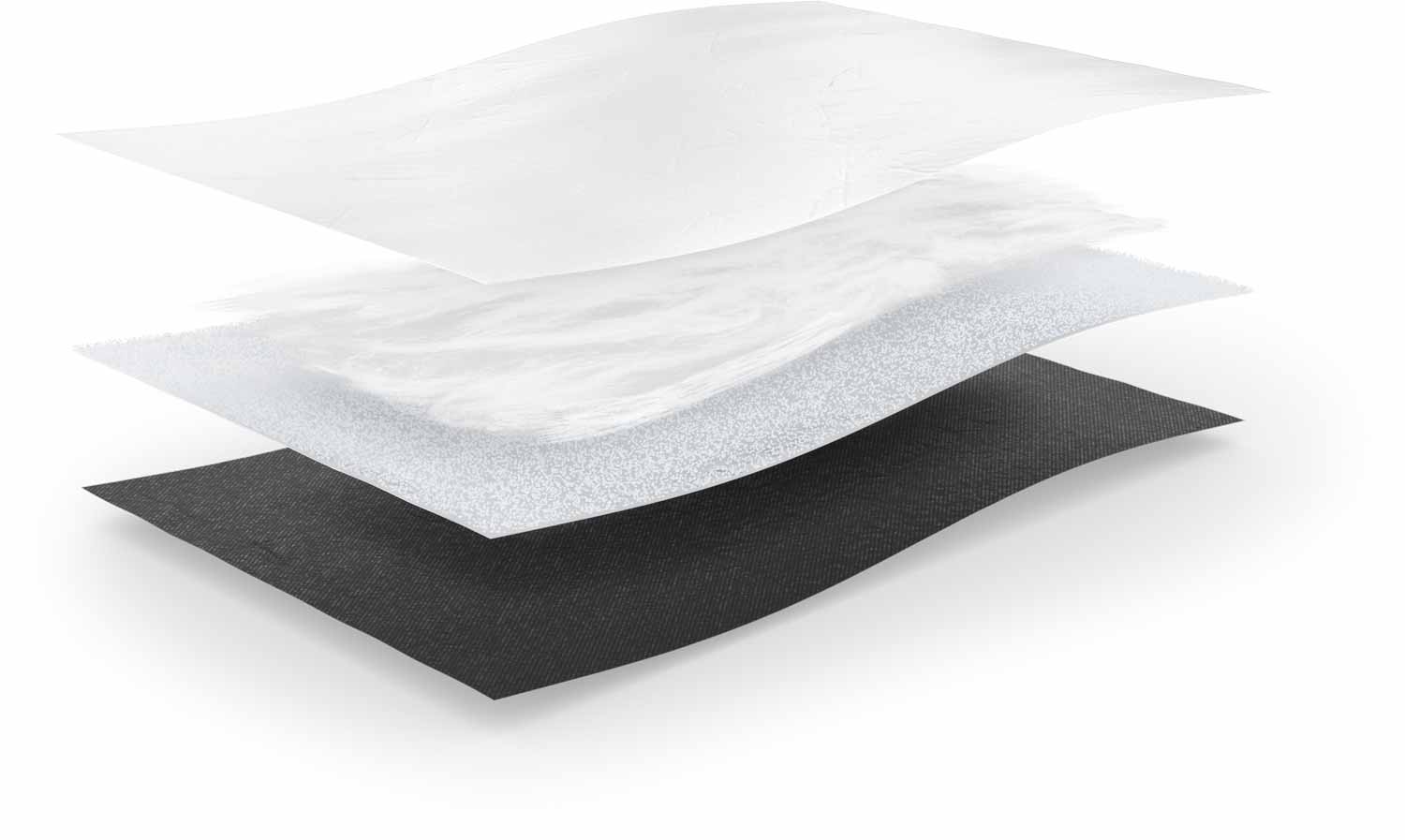
Today’s pads use engineered materials. Cellulose and super absorbent polymer together let a thin pad take up a large volume of liquid in a very short time, which is what a fast packing line needs.
That capacity is what holds hygiene standards through packing, transport and display, rather than only at the moment the pack is sealed.
What it means commercially
For producers and retailers the gains are practical. Shelf life goes up, which cuts markdowns and waste. Packs look cleaner, which supports the price. And the hygiene case is easier to make to a customer or an auditor.
Axorbia Meat Pad is made specifically for red meat, in capacities from 800 to 10,000 ml/m². See the Meat Pad page for sizes and technical detail.
Related Posts
The Cold Chain in Food Shipping, and Where Ice Packs Fit